
Machine & Matter
An image.
An object.
A next step.
Start with a photograph of a piece of teaware. Reconstruct its form and appearance, understand what the model gets right, then work toward a printed object. Robotic handling is the longer-term goal.
The direction
From pixels to the physical world.
- 01Photograph
One view of a real object
- 02Reconstruct
Compare form, appearance and detail
- 03Print
Develop and test a physical prototype
- 04Handle
Explore robotic grasping and movement
Image to 3D · v0.1.1
From a real
photograph.
How much of an object can a model recover from one view? Compare the original photographs with the textured reconstructions, then explore the measured results across 26 objects.
- 30
- Real catalog objects
- 26
- References retained for scoring
- 4
- References excluded for every model
Photograph → reconstruction
See what the models made.
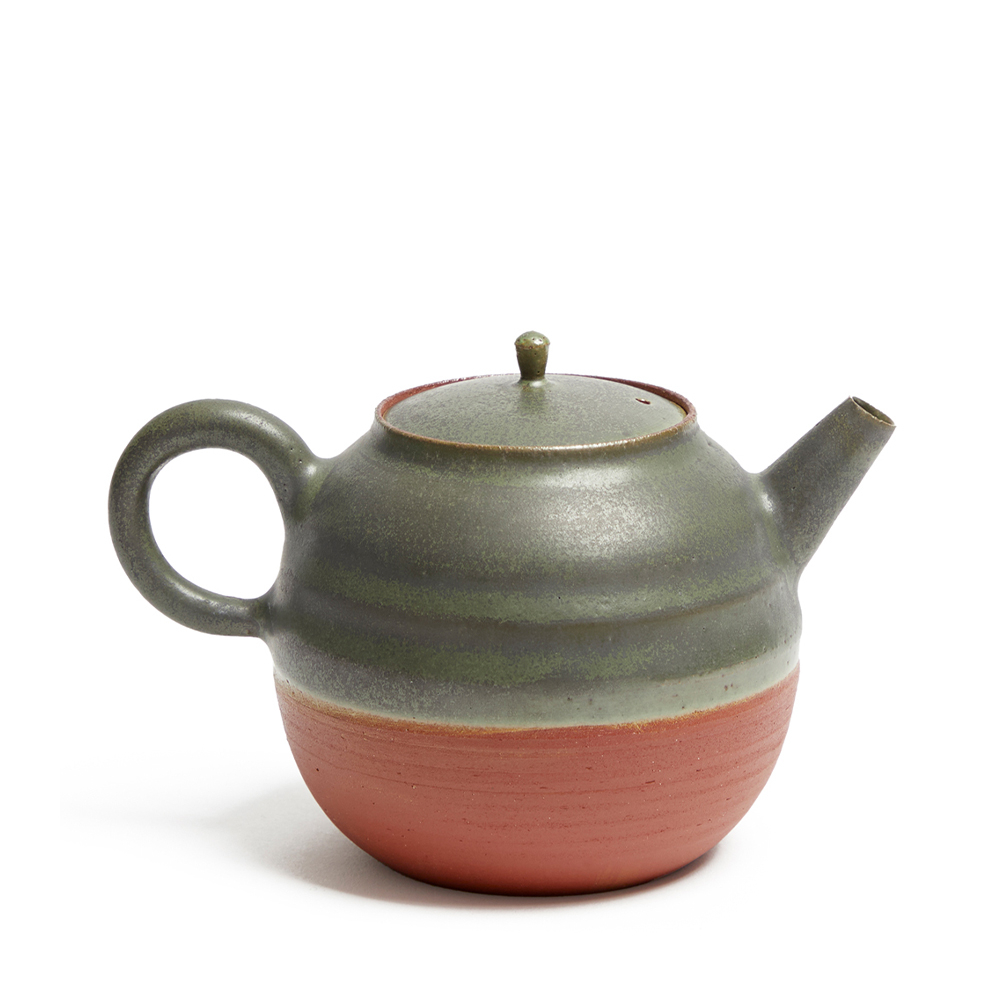
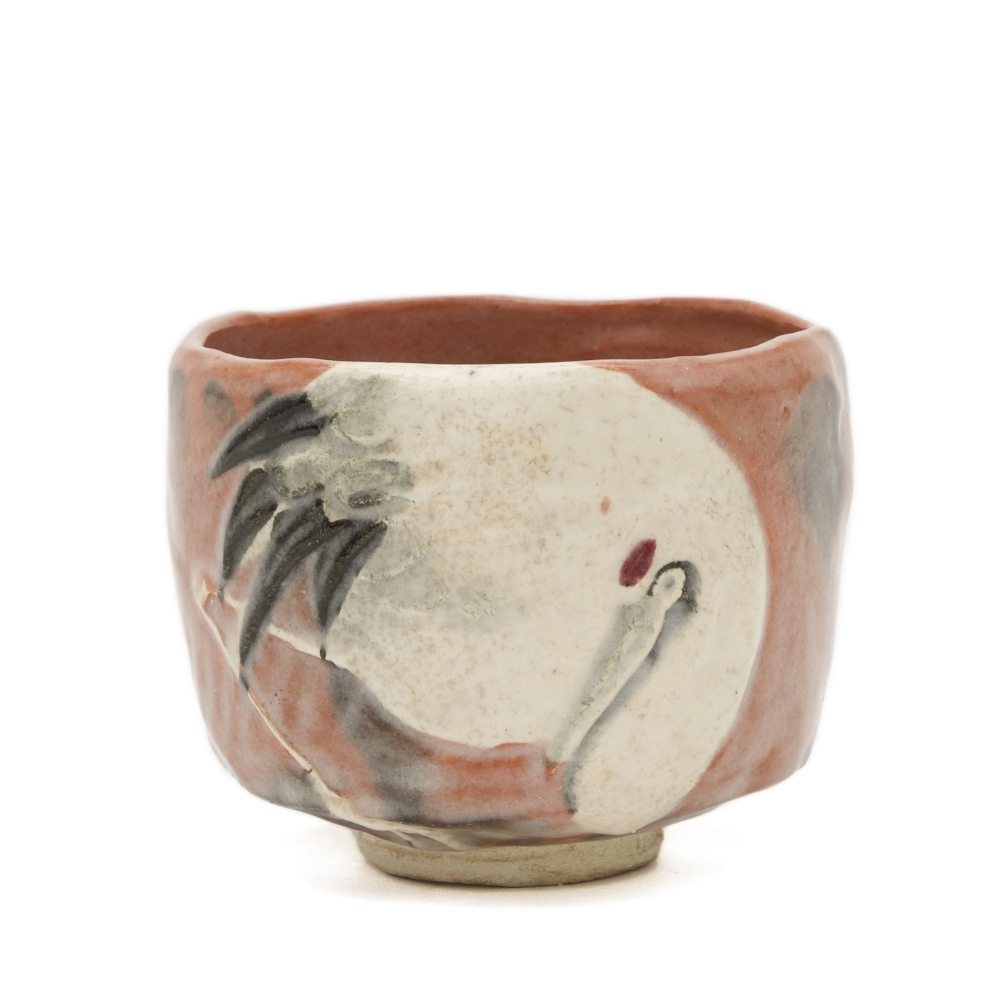
Three objects from the benchmark, shown with the exact source photograph and each model’s generated materials. Play the turntables or explore the native textured models in 3D. Shape, colour and the unseen sides all matter to a convincing result.
Wu Haoyu Nixing Teapot Liu Bao Orb
Raku Kichizaemon XIV Kakunyu Chawan Tsuru no hori
Jingdezhen Metal Glaze Gong Dao Bei
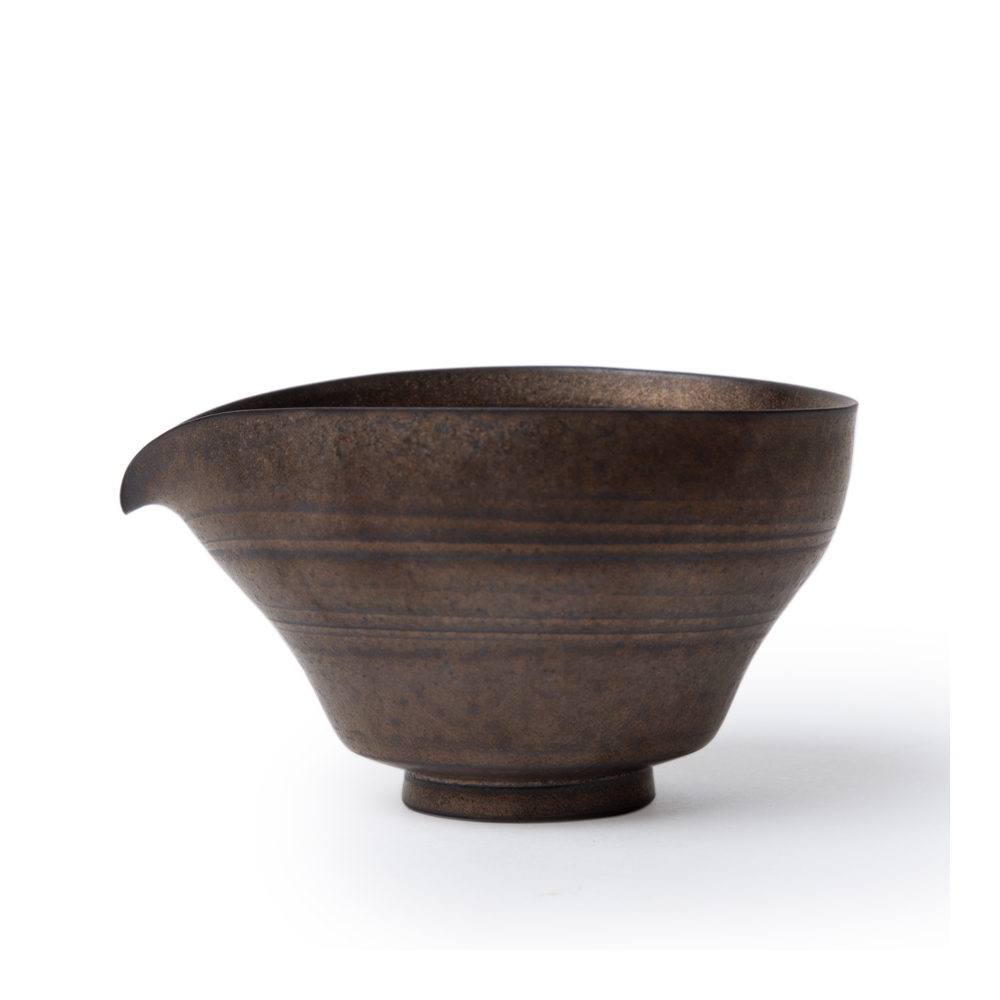
These are actual reconstructions, including their flaws and generated orientation. The visual examples show appearance; the leaderboard below measures observed-surface geometry. A validated appearance score is still to come.
The comparison
Observed-surface agreement
Higher means closer agreement with the reference on photograph-supported surfaces. This is a provisional reconstruction benchmark, with separate checks below.
| Model | Surface F-score ↑1% distance threshold | Reserved-photo IoU ↑ | Generation timeMedian per object |
|---|---|---|---|
| 01TRELLIS.2-4BNon-manifold edges detected in 26/26 scored outputs. Printing and robotic handling remain unverified. Generated TRELLIS-family references may favor agreement. | 81.4%95% interval 75.0%–87.0% | 92.9%26 objects | 4.1 min |
| 02Hunyuan3D 2.1 | 77.3%95% interval 72.1%–82.4% | 91.9%26 objects | 2.7 min |
| 03Pixal3D (native single image)Native single-image pipeline; no generated orbit video. Self-intersection warnings in 26/26 scored outputs; structural warnings in 26/26. Printing and robotic handling remain unverified. Generated TRELLIS-family references are proxies, not physical ground truth. | 72.0%95% interval 64.6%–78.8% | 91.1%26 objects | 3.7 min |
| 04Stable Fast 3D | 45.8%95% interval 37.9%–53.4% | 85.8%26 objects | 16 s |
Intervals describe variation across these objects. They do not account for unknown reference errors. Generation ran on shared workstation hardware; review-render time is excluded.
Shape agreement uses generated TRELLIS-family reference models, not physical scans. The small challenger screens below use different numbers of objects; they are orientation for this workflow, not general model verdicts.
Evaluated, not adopted
We also tested alternatives that did not justify replacing the current default. These bounded screens are separate from the common-cohort leaderboard.
- TIGON: Similar shape agreement on three objects without a consistent gain. Its untextured outputs passed the H2D slicing screen, but the tested textured export did not complete; added descriptions reduced average agreement.
- Rodin: On the same three objects, image-only outputs agreed less closely with the references than TRELLIS. Descriptions helped the teapot but badly hurt the bowl and introduced an unsupported interior feature; the paid route was not adopted.
- IDOL: Three objects offered promising rendered views, but one gained an invented handle. The tested route did not produce a qualified printable mesh.
- Meshy: A single synthetic teapot was recognizable and had a clean closed surface, but matched its known original shape much less closely than TRELLIS. This was one exact-geometry control, not a catalogue benchmark.
- Generated-orbit Pixal3D: Only 12 of 30 attempts reconstructed successfully. On the ten successes with eligible references, shape agreement was worse than direct single-image Pixal3D; generated views could invent attachments.
- TRELLIS + Hi3D: Refinement completed for 30 objects but reduced shape agreement and increased structural warnings on the fixed 26-object scoring cohort.
TRELLIS.2-4B — supporting measurements
- Generation completed
- 26/26On the common scored cohort
- Regional geometry agreement
- 74.2%26 objects
- Critical part discrepancies
- 5Objects flagged by regional checks
- Surface without detected intersections
- 100.0%26 objects
- Meshes with structural flags
- 26Intersections, topology, winding or fragments
- Meshes with open boundaries
- 23Reported separately from structural flags
- Nominal dimension consistency
- 83.3%5 objects
- Median peak GPU allocation
- —Model process allocator
native single-image 1024_cascade · 12 steps per stage · PBR 4096 · 1M-face export · Revision af44b45f · Seed 2601026
Hunyuan3D 2.1 — supporting measurements
- Generation completed
- 26/26On the common scored cohort
- Regional geometry agreement
- 68.8%26 objects
- Critical part discrepancies
- 12Objects flagged by regional checks
- Surface without detected intersections
- 100.0%26 objects
- Meshes with structural flags
- 0Intersections, topology, winding or fragments
- Meshes with open boundaries
- 1Reported separately from structural flags
- Nominal dimension consistency
- 73.3%5 objects
- Median peak GPU allocation
- 21.2 GiBModel process allocator
quality · Revision 0b946776 · Seed 2601026
Pixal3D (native single image) — supporting measurements
- Generation completed
- 26/26On the common scored cohort
- Regional geometry agreement
- 66.1%26 objects
- Critical part discrepancies
- 11Objects flagged by regional checks
- Surface without detected intersections
- 11.5%26 objects
- Meshes with structural flags
- 26Intersections, topology, winding or fragments
- Meshes with open boundaries
- 23Reported separately from structural flags
- Nominal dimension consistency
- 66.7%5 objects
- Median peak GPU allocation
- —Model process allocator
native single-image 1024 · 12 steps per stage · PBR 4096 · 1M-face conservative export · Revision b0cb2e1b · Seed 2601026
Stable Fast 3D — supporting measurements
- Generation completed
- 26/26On the common scored cohort
- Regional geometry agreement
- 47.1%26 objects
- Critical part discrepancies
- 12Objects flagged by regional checks
- Surface without detected intersections
- 100.0%26 objects
- Meshes with structural flags
- 0Intersections, topology, winding or fragments
- Meshes with open boundaries
- 0Reported separately from structural flags
- Nominal dimension consistency
- 70.0%5 objects
- Median peak GPU allocation
- 8.0 GiBModel process allocator
quality · Revision f0c9a8ff
How we evaluate
Compare what we can observe.
Each model receives the same single photograph. The reference builder, TRELLIS multi-image, receives two construction views of the assembled object. A separate photograph is reserved for checking the reconstruction.
We align surfaces with rotation, translation and one uniform scale, then measure agreement at 1% of the reference bounding-box diagonal. Region checks expose local errors that a whole-object average can hide. For dimensional checks, one vendor measurement sets scale; only other measurements earn agreement. This does not test image-only prediction of physical size.
References are generated estimates checked by AI review, photographs and mesh tests; human validation is pending. Surface agreement can favor a model with a blocked opening. Capacity, pouring, strength and manufacturing suitability remain unverified. Local vision-LLM inspections are advisory and contribute no ranking points.
Scope, exclusions and reproducibility
Release 0.1.1 · 2026-10-28
Source mix (30 objects): 4 cups / chawan · 5 lidded bowls · 4 other vessels · 6 pitchers · 6 teapots · 3 storage vessels · 2 trays / saucers.
Scored mix (26 objects): 4 cups / chawan · 4 lidded bowls · 4 other vessels · 5 pitchers · 4 teapots · 3 storage vessels · 2 trays / saucers.
Catalog sources: Yoshi en (30 objects).
Reference exclusions: Reference mesh defect (1) · Visible geometry mismatch (3). Reason counts can overlap.
- Generative references are checked estimates, not scans or physical ground truth. Acceptance includes source-bound AI review; human validation is pending. Unknown reference error is not included in the intervals.
- The source cohort excludes known local image-training exposure and the development pilot. Foundation-model training overlap is unknown; related product families remain represented.
- Only photograph-supported surfaces enter the primary F-score. The threshold is 1% of the reference bounding-box diagonal after one uniform similarity alignment.
- Reserved-photo silhouettes use cameras fitted to the reference and then frozen for both evaluated models. These are approximate orthographic cameras, not measured poses.
- Part checks and nominal dimensions are supporting measurements. A vendor dimension used to fit scale cannot also count as an independent check; reported coverage varies.
- The ranking is provisional reference agreement. Global surface agreement can favor a model with a blocked opening; functional correctness is not scored. Appearance, LLM judgment and physical-function simulations contribute no points to it. The incomplete weighted overall score remains withheld.
- Reference exclusions apply to both models. Reasons are reported per case and can overlap; reserved-photo challenges can depend on candidate outputs, so the retained cohort is not fully outcome-blind.
- Object-bootstrap intervals describe this cohort, not independent design-family or vendor generalization. Timings exclude review rendering and were measured on shared hardware.
- Generation seeds are reported only when forwarded by the adapter. The deterministic surface-sampling seed is recorded separately.
- Non-manifold edges detected in 26/26 scored outputs. Printing and robotic handling remain unverified. Generated TRELLIS-family references may favor agreement.
- TRELLIS.2: all 30 generation attempts completed. The comparison retains the original 26 scored references and four exclusions; one additional reference warning is disclosed without changing this fixed cohort.
- TRELLIS.2 topology: median 30.5 non-manifold edges; 23/26 meshes have open boundaries. Median self-intersection triangle area is 0.000641%; maximum 0.142491%. Repair-and-slice validation is pending.
Selected source photographs are credited in the examples above. The full benchmark evidence remains private. Download the public results and scoring recipe ↗
Beyond the screen
Printing and robot handling
A convincing reconstruction is the starting point. The next stages are making a physical object, testing its geometry and material, and eventually teaching a robot to handle it.
Our first slicing checks for our own Bambu Lab H2D, across three objects, showed that printer settings decide whether thin walls are included in the print. We treat “sliced” and “physically printed” as separate claims: physical prints, working pouring channels and removable lids are still to be verified.
What the slicing checks establish
The H2D Standard preset omitted many thin TRELLIS walls. Switching to Arachne restored object extrusion on every declared layer of the saved teapot (344/344), bowl (217/217) and wooden object (473/473), using the original meshes. Arachne is now the TRELLIS H2D preparation step for the tested 0.4 mm nozzle, Generic PLA, Textured PEI plate and 0.20 mm Standard profile.
Some generated walls remain very thin, and internal support may be difficult to remove. Software paths do not establish strength or successful physical printing. Pixal3D’s tested native-profile outputs either failed H2D slicing or produced negligible actual object material, despite Prusa reporting success. Other models were not requalified with this TRELLIS-specific preparation change; these are small software-readiness checks, not a general ranking for physical printing.
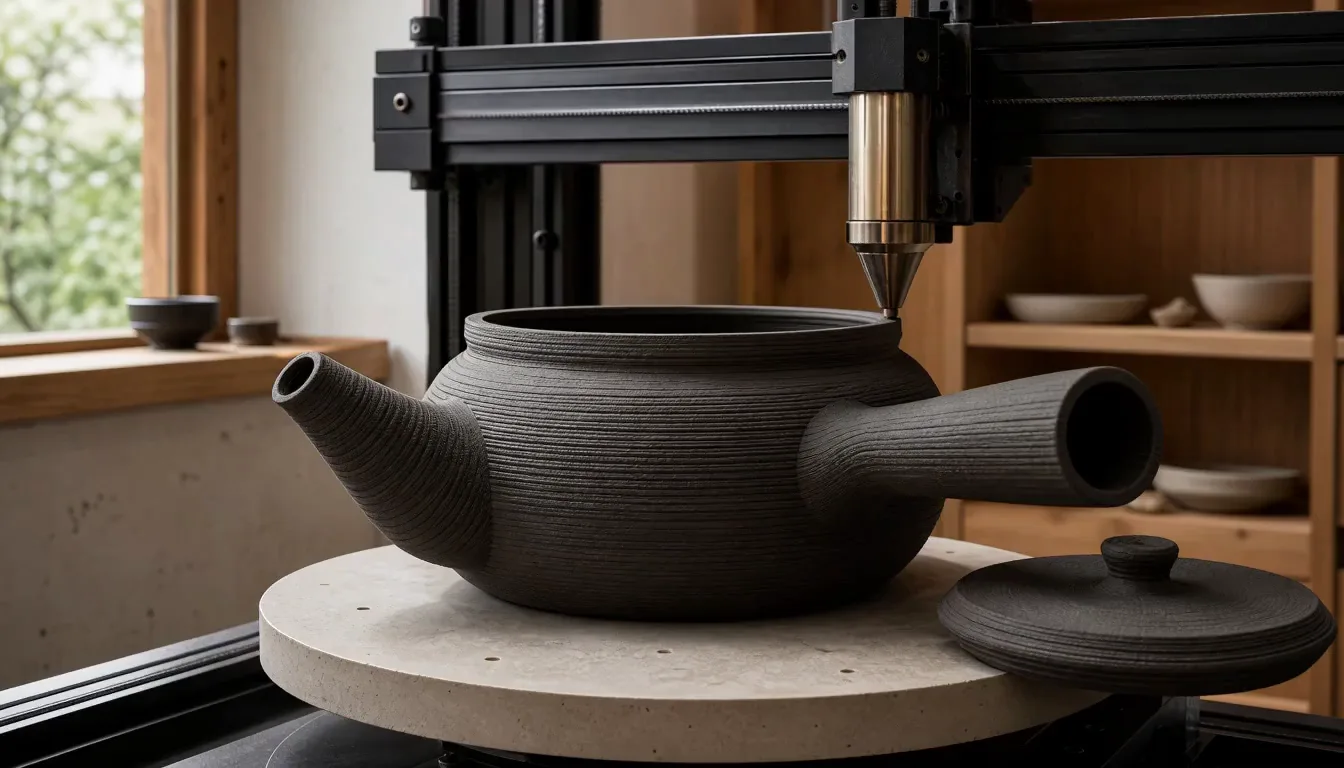
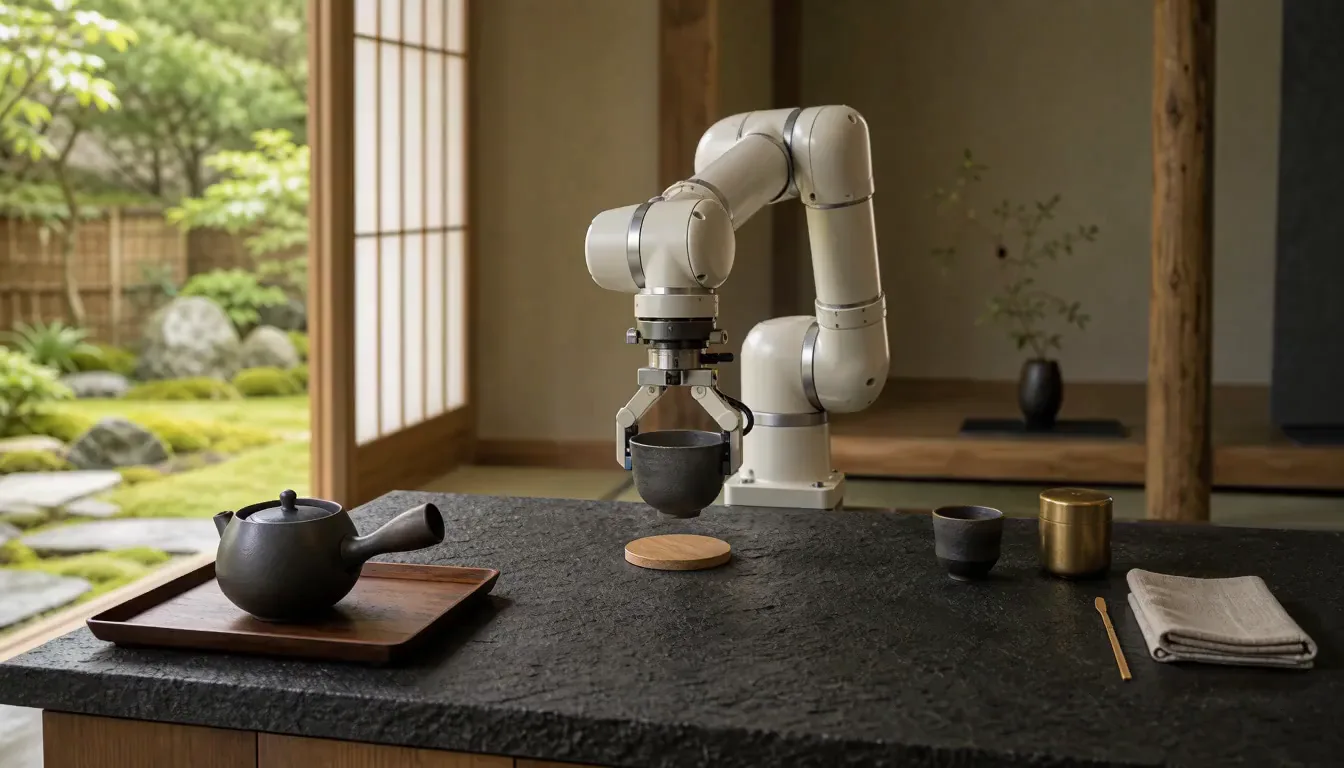
AI-generated concept illustrations. Physical printing and robotic handling are future stages of this project.
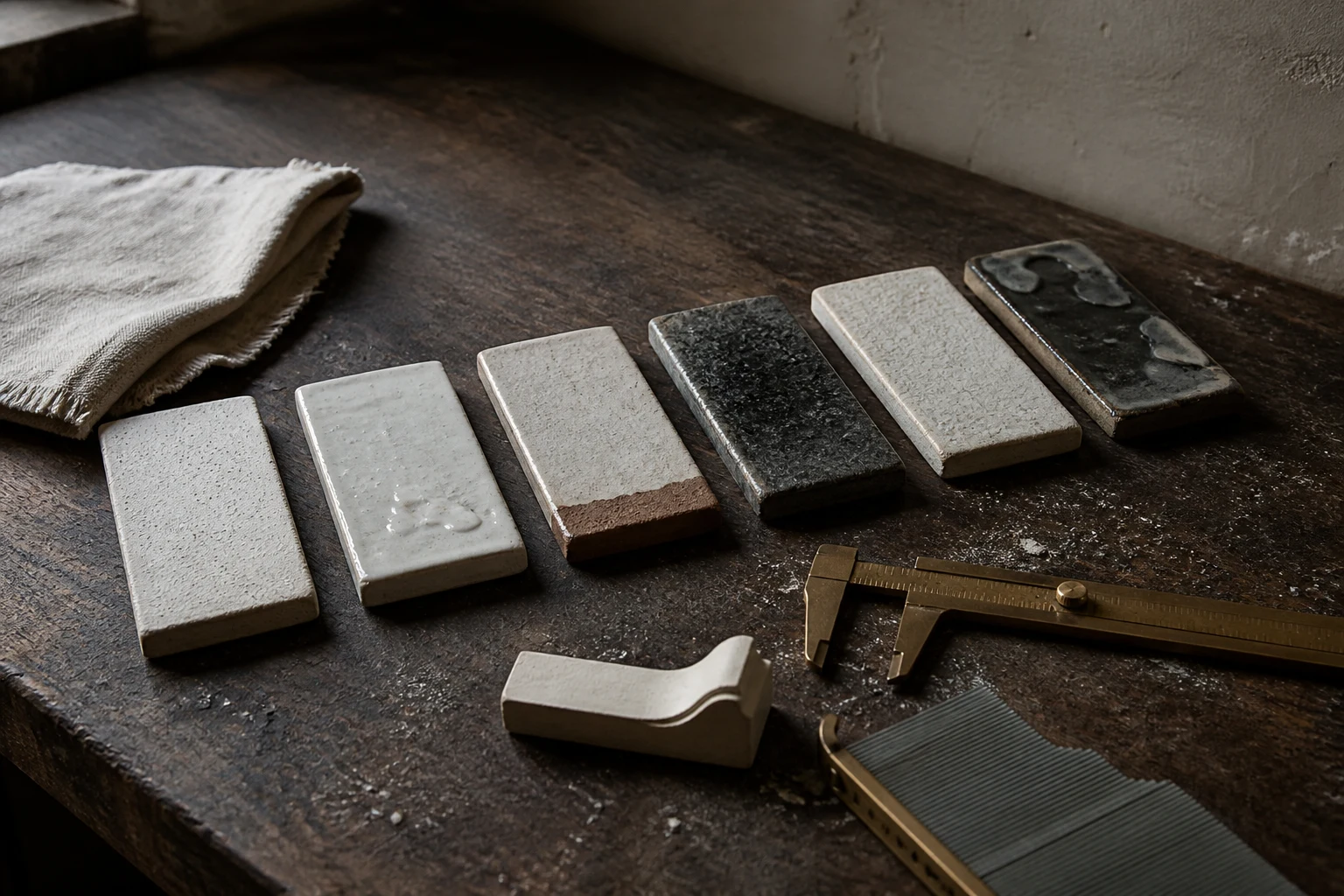
Physical testing
What the screen cannot tell us.
Wall thickness, material behaviour, a clean pour, a comfortable grip. Those questions need physical prototypes and measurements. Reconstruction, printing and handling are stages of the same investigation.